

Climb the Corporate Ladder or Be Crushed!

Chess originated in India as chaturanga, played with ornamental figurines. As the game moved west, the pieces were simplified and contextualized around European royal hierarchy, sidelining chess's Eastern origins.
Hierarchy never disappeared in the modern West. It simply rebranded. Corporate Chess acknowledges this legacy as players navigate the world of the modern corporation. Rigid, blocky pieces exaggerate corporate power structures and standardization in western design. The board becomes an office grid where power remains at the top and employees act as pawns, critiquing the West's history of simplifying both cultures and people.


Tallest piece. Spherical head with tie form body. Singular authority at the corporation's top.

Dollar sign silhouette. Indicates the central role of money in corporate operations and strategy.

Split top mimicking a gate. Company's damage control shielding the organization from conflict.

Echoes the CEO but at reduced height.
Intermediary role between executives and employees.

Roof-shaped head of shelter and privilege. The only piece that can jump over others.

Uniform, standardized cubes. Building blocks that form the foundation of corporate structure.
Each player starts with 16 pieces that correspond to original chess roles.
Chess pieces 3D printed from CAD dimensions.
Various components primed, painted, and sanded for a cohesive finish.
Glass tiles spray painted and laser cut with event square information.

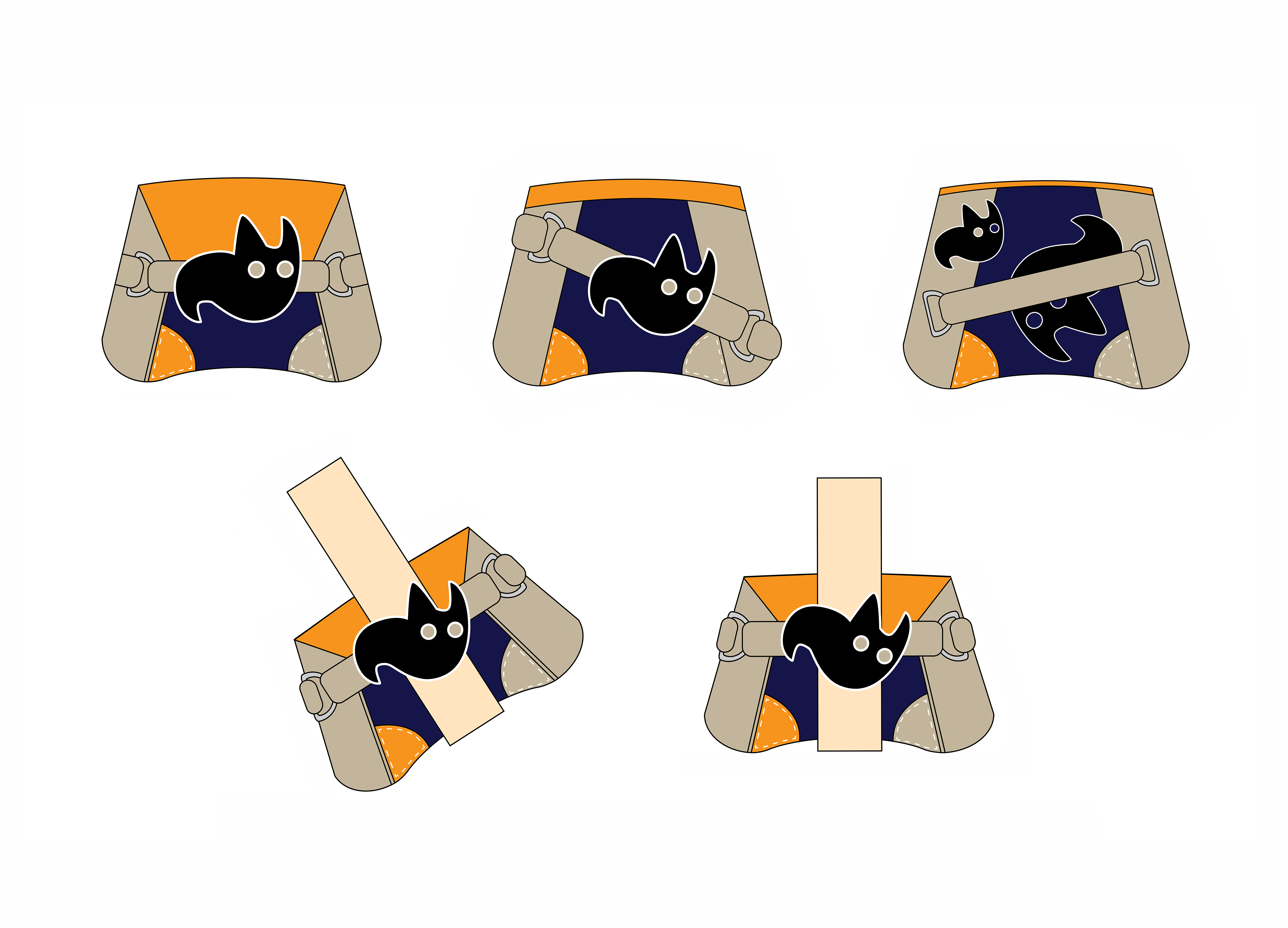
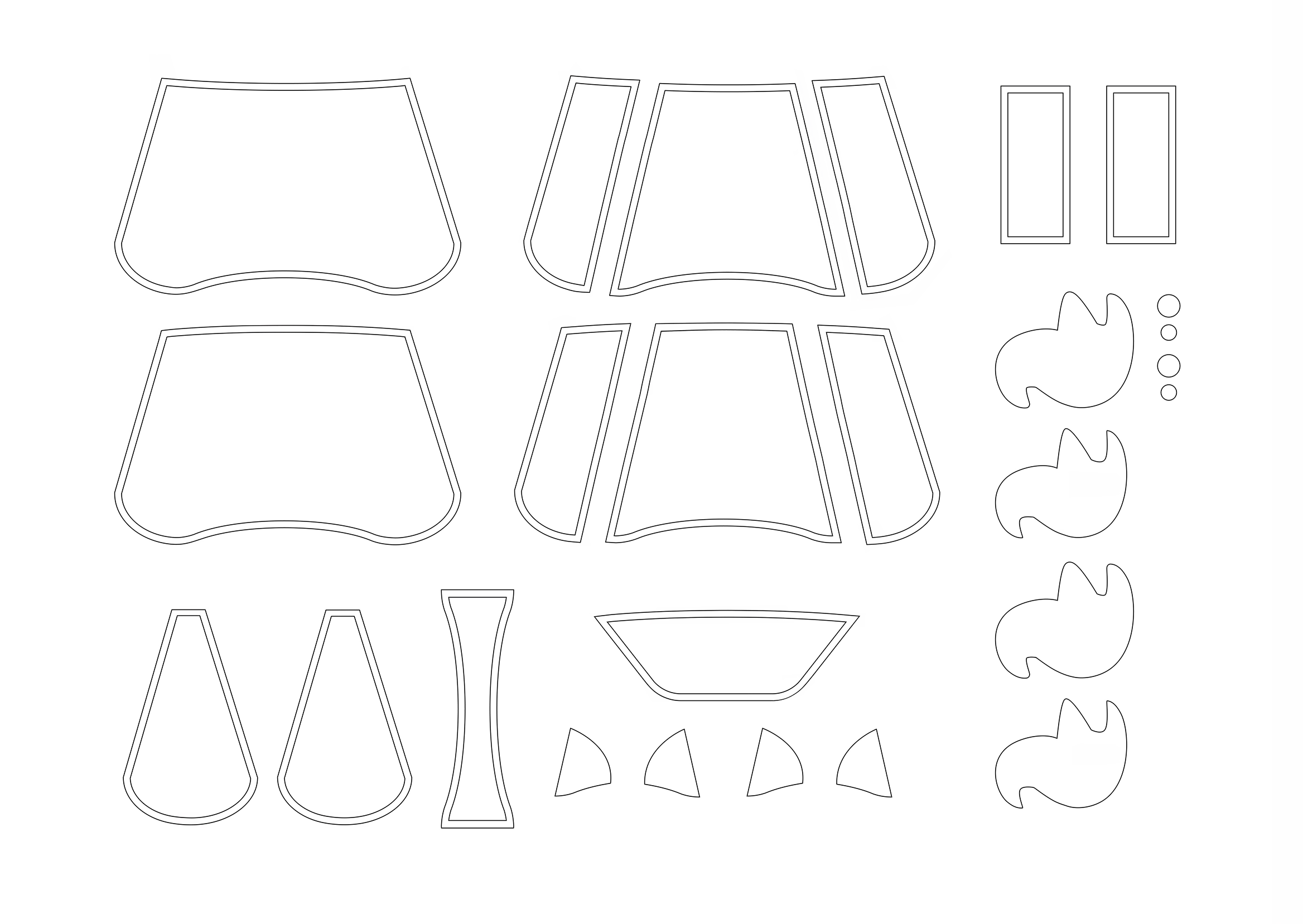
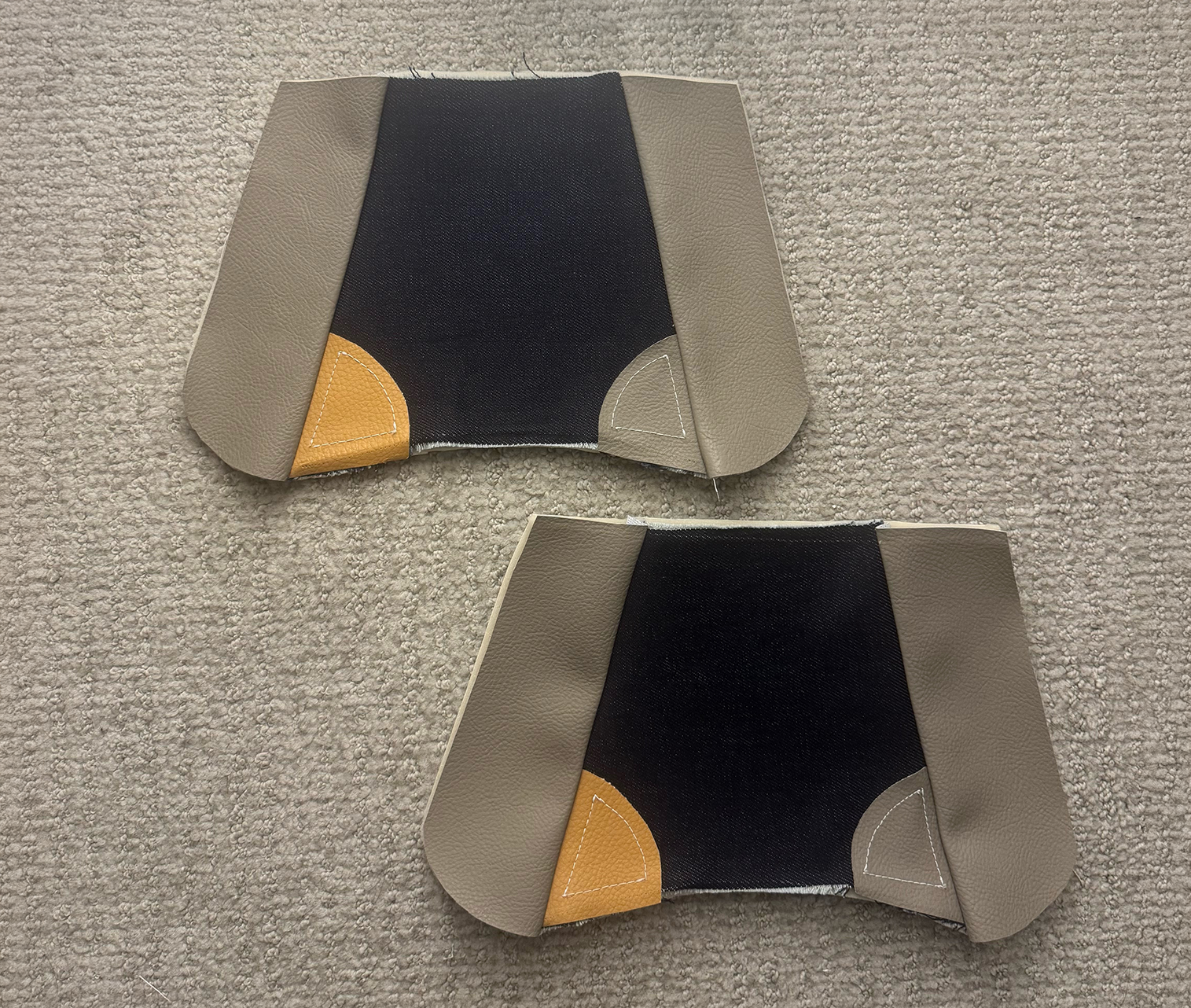
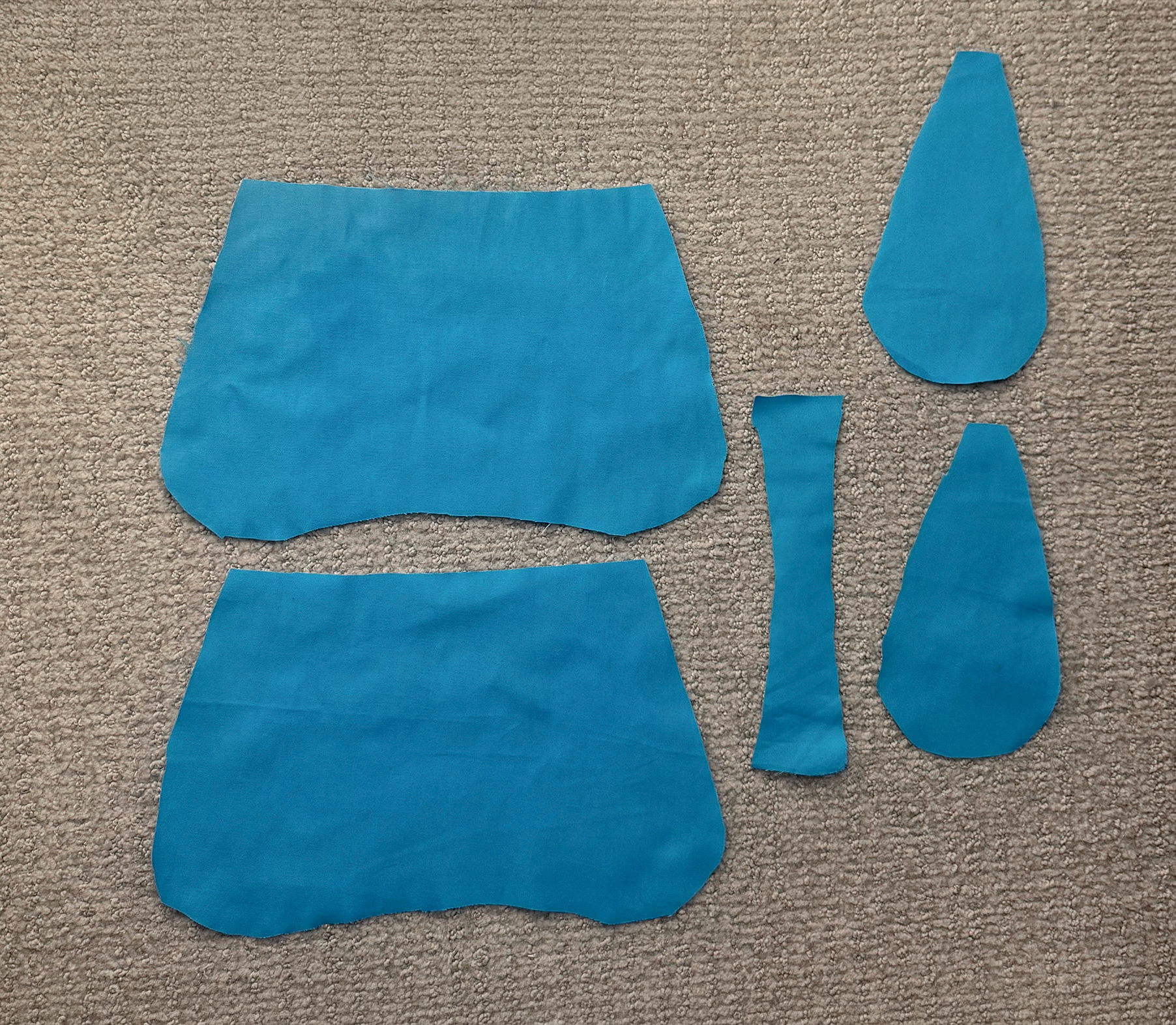
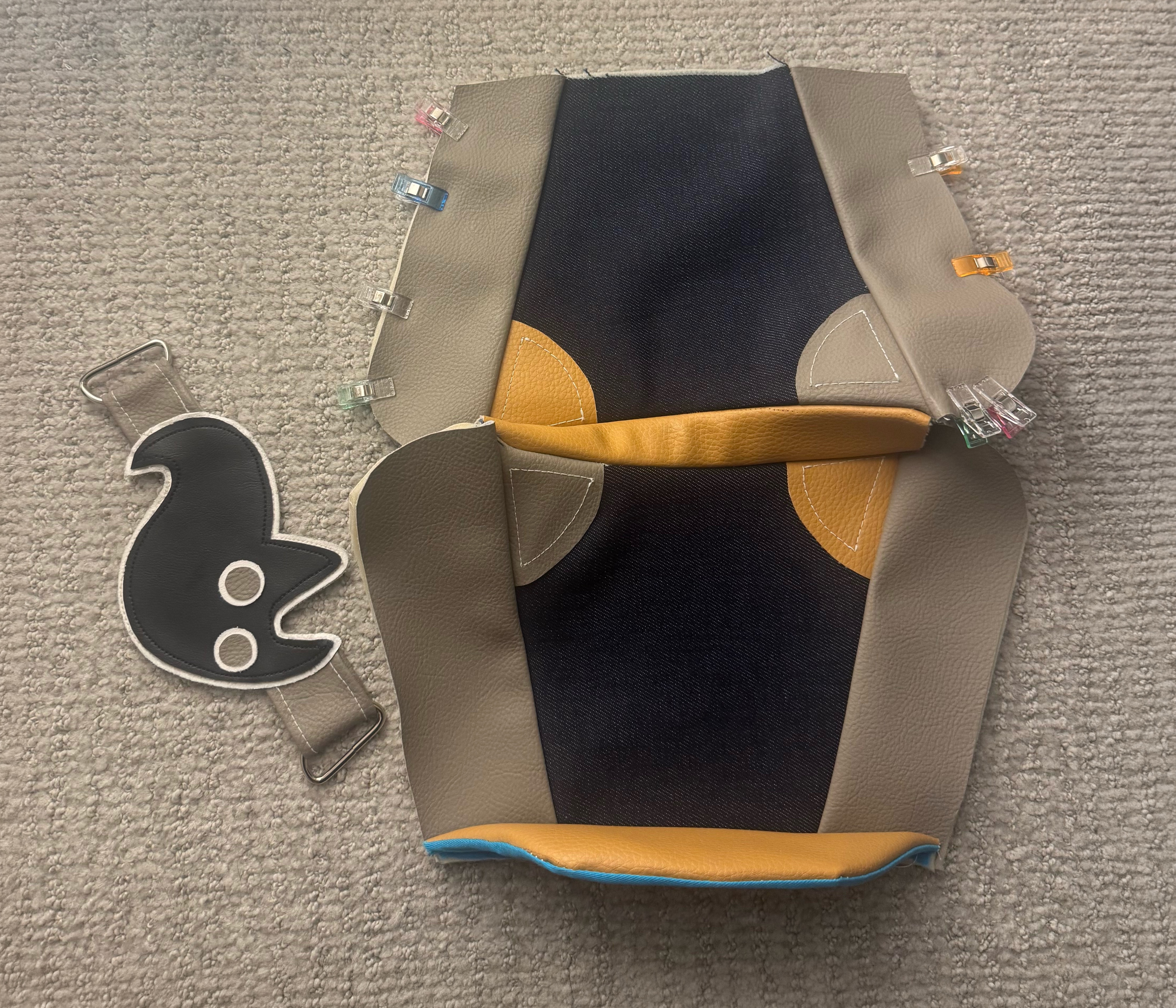
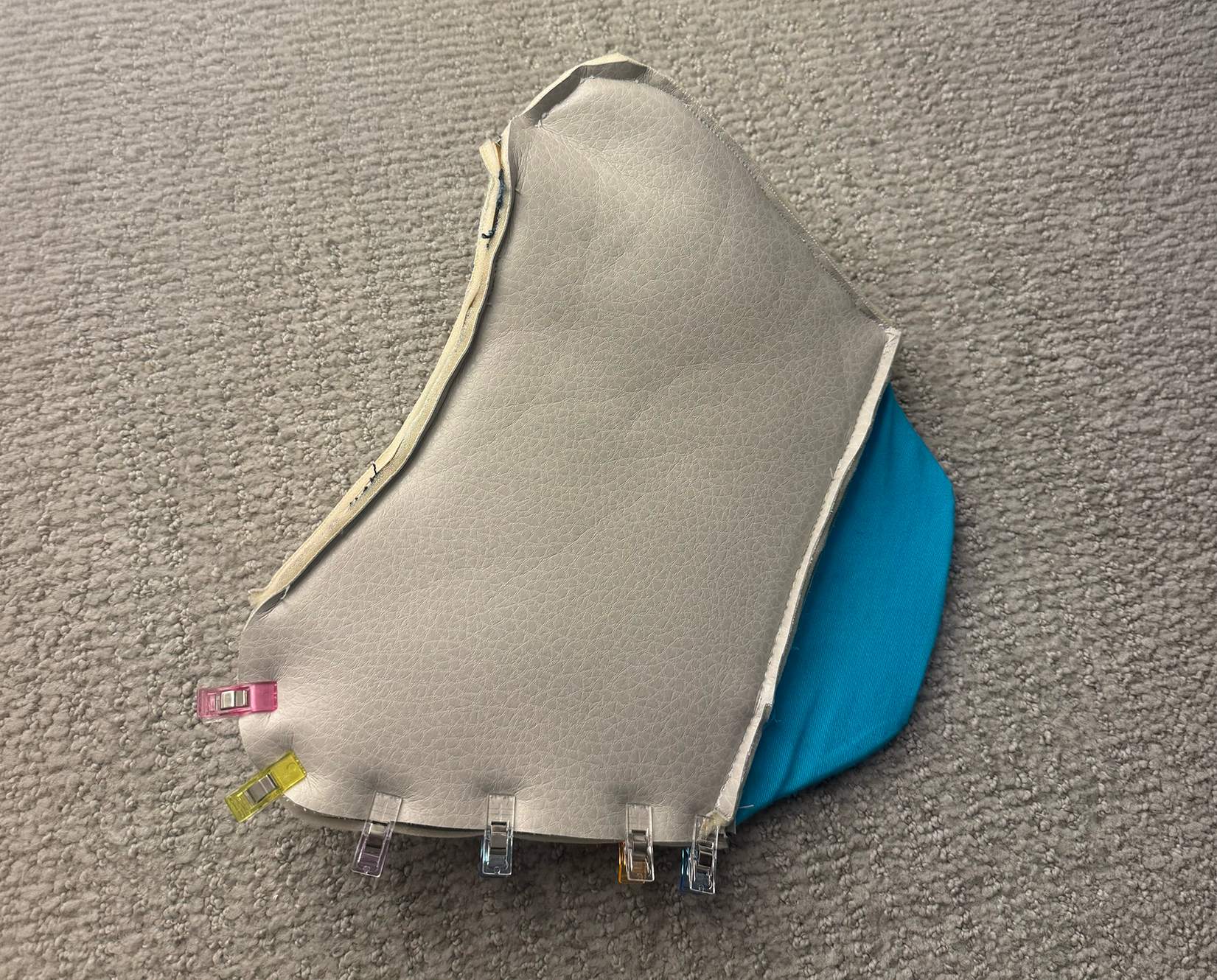
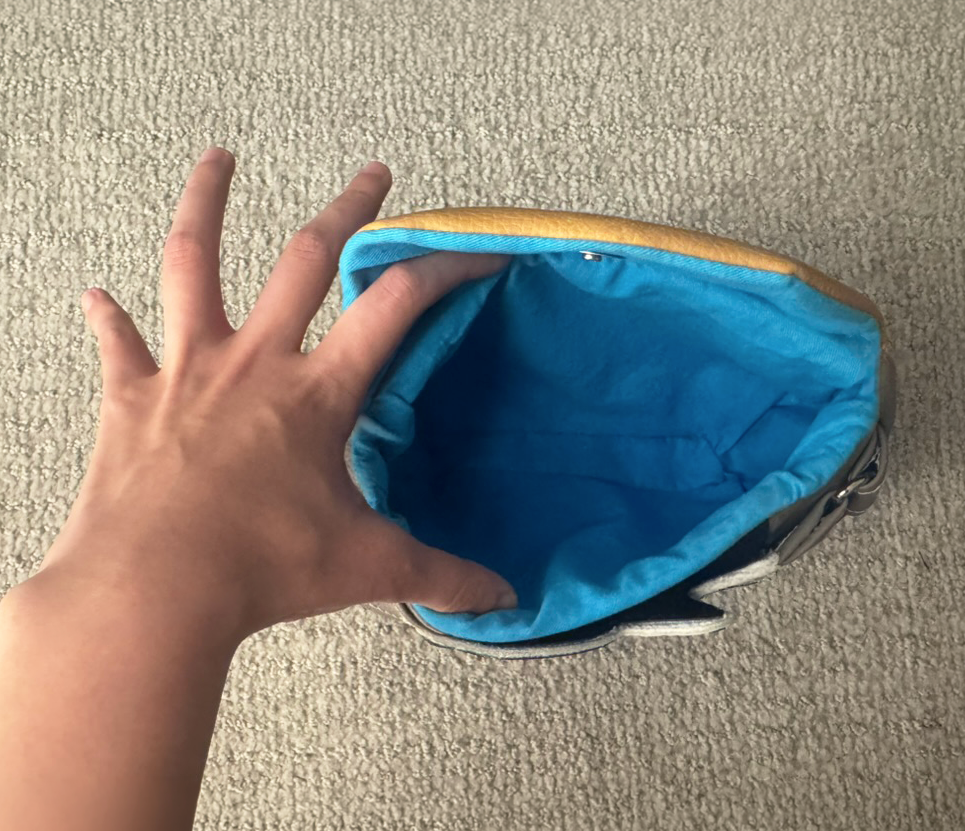
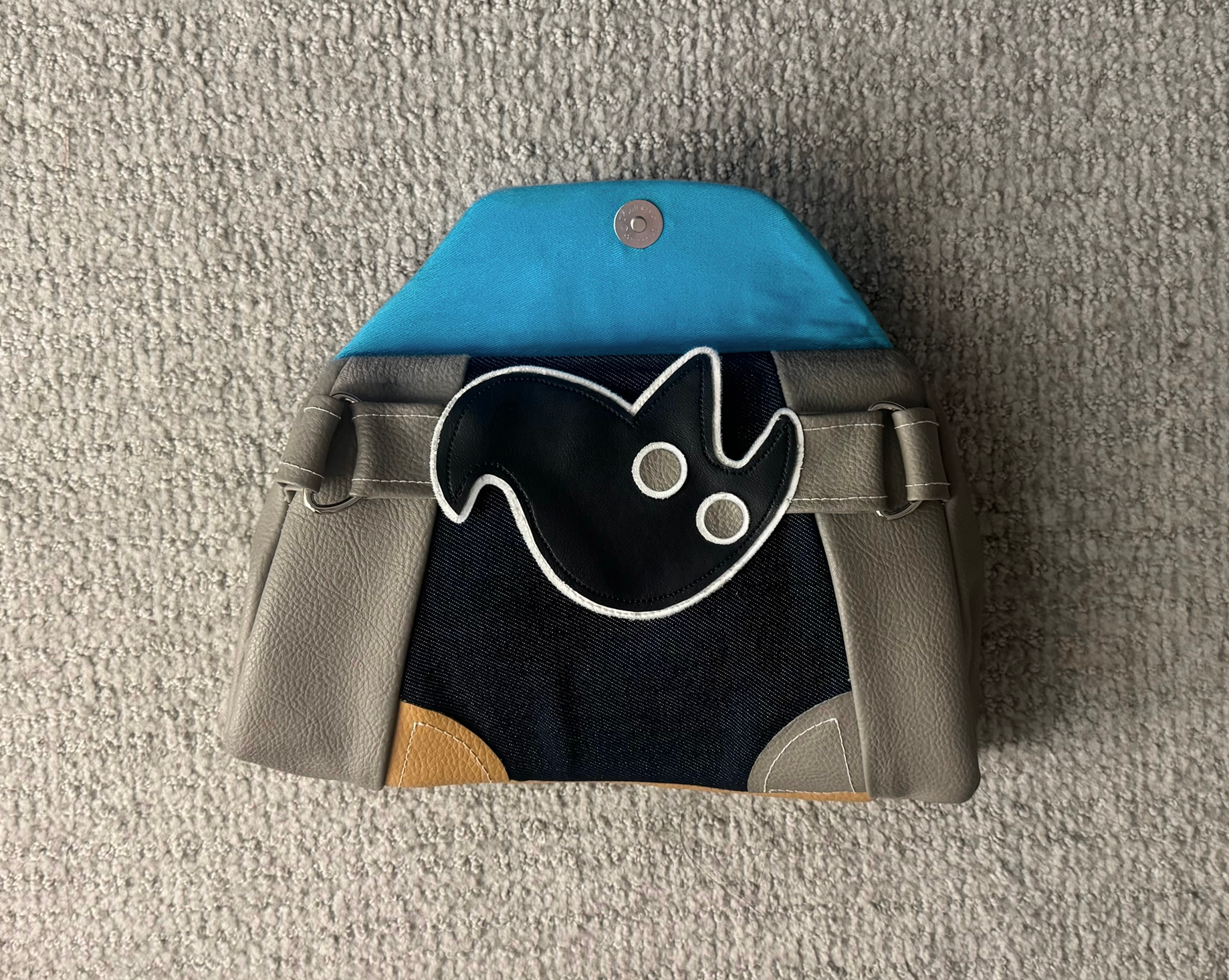
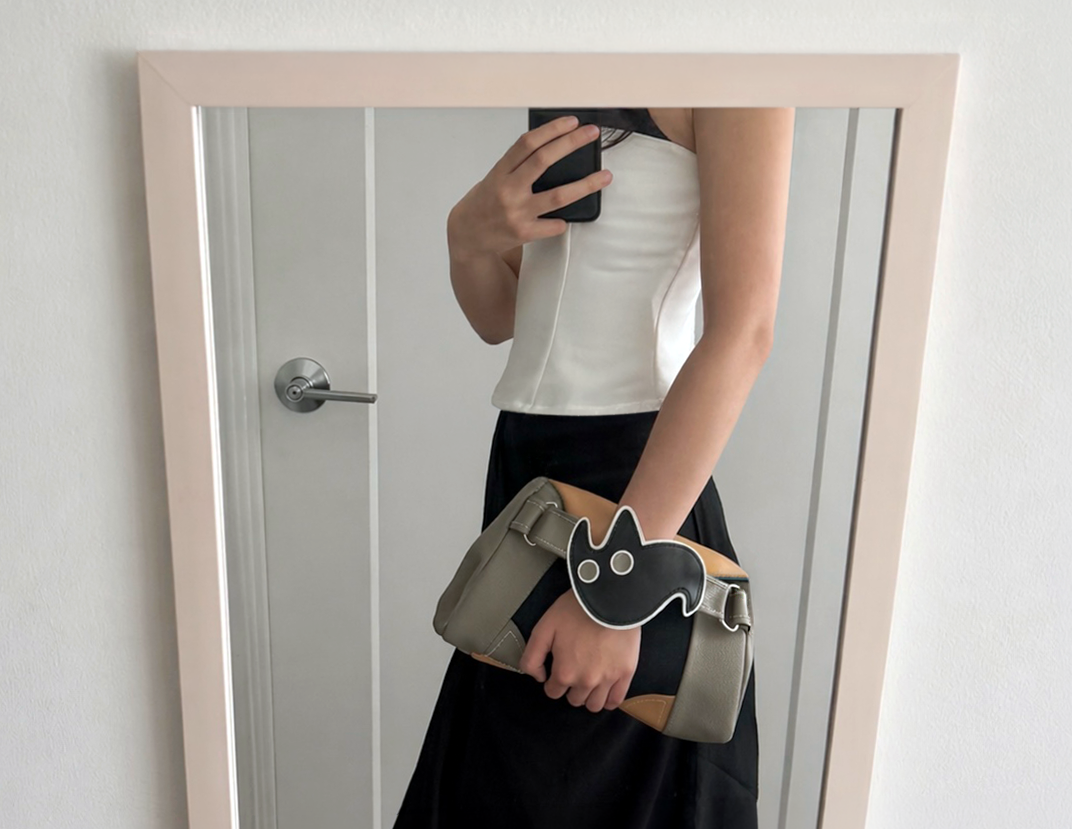
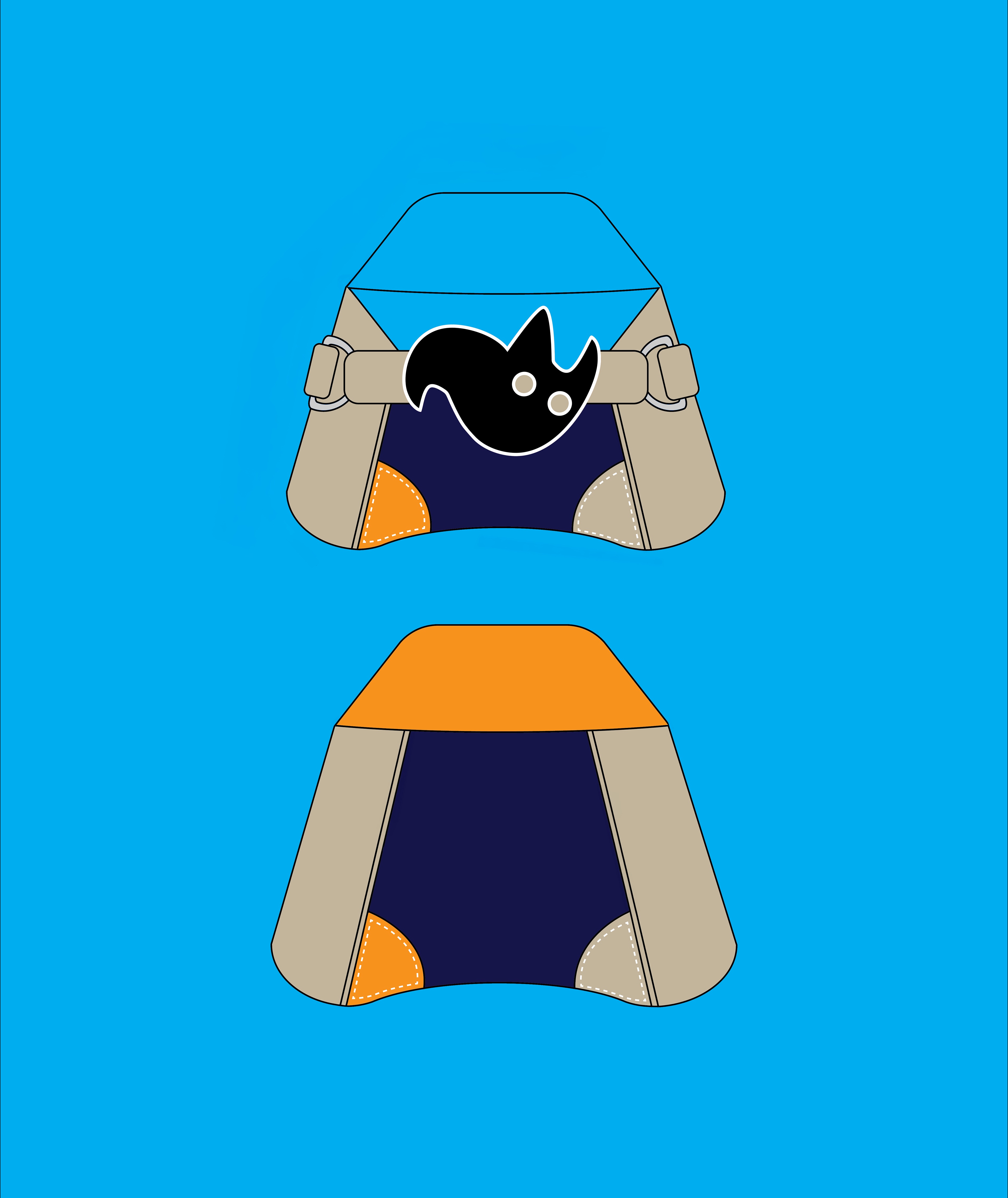
From doodle to object, Ghostcat Clutch is a short interdisciplinary exploration translating a flat digital icon into soft, functional form.


Wireless Charger
Technology is dematerializing. Cords vanish, devices slim down, and interactions become wireless. As industrial designers, we romanticize this "disappearing technology" as progress.
Yet in our rush toward functional seamlessness and invisibility,
we lose tactile, deliberate acts of experience.

Plugging in created moments of pause, small rituals
that earned us access to our digital lives.
Wireless technology dissolves interactions into
invisible gestures. Efficient, but no longer felt.


What remains of the charging experience when the cord, once annoying, is gone?
A MagSafe power bank that integrates the efficiency of wireless technology while preserving the nostalgia of wired forms as decorative ornamentation.
Beyond its utility, it exists as a sculptural art piece that questions our relationship with technology and connectivity.

Available in two variations:
USB-A → USB-C
USB-C → USB-C


Wireless powered by WIRED
Charge the power bank using the USB-C port. The LED indicator flickers during charging and remains solid white when charging is complete.
Analyzed market products and consulted with an electrical engineer and sculptor on form feasibility.
Explored wire pattern variations, balancing visual harmony with controlled tangledness.
Developed CAD models in Rhino, refining cable paths and connector placements.


"Ultimately, I like the concept you propose of reintroducing the aesthetics of connection into a seemingly detached object. What is now obsolete becomes decorative; it brings considerations of what is now detritus in a rapidly technologically advancing world. It's a little Dadaist in a sense, asking us to consider the symbolism of mass-produced electronics as an element of visual interest and nostalgia. Yet, it departs from absurdity. It maintains a conciseness and elegance I would expect out of a functional object."
— Natalie Brumley, Sculpture @ RISD


Will our celebration of removed physicality lead to a loss of identity and experience?
Wireless Charger
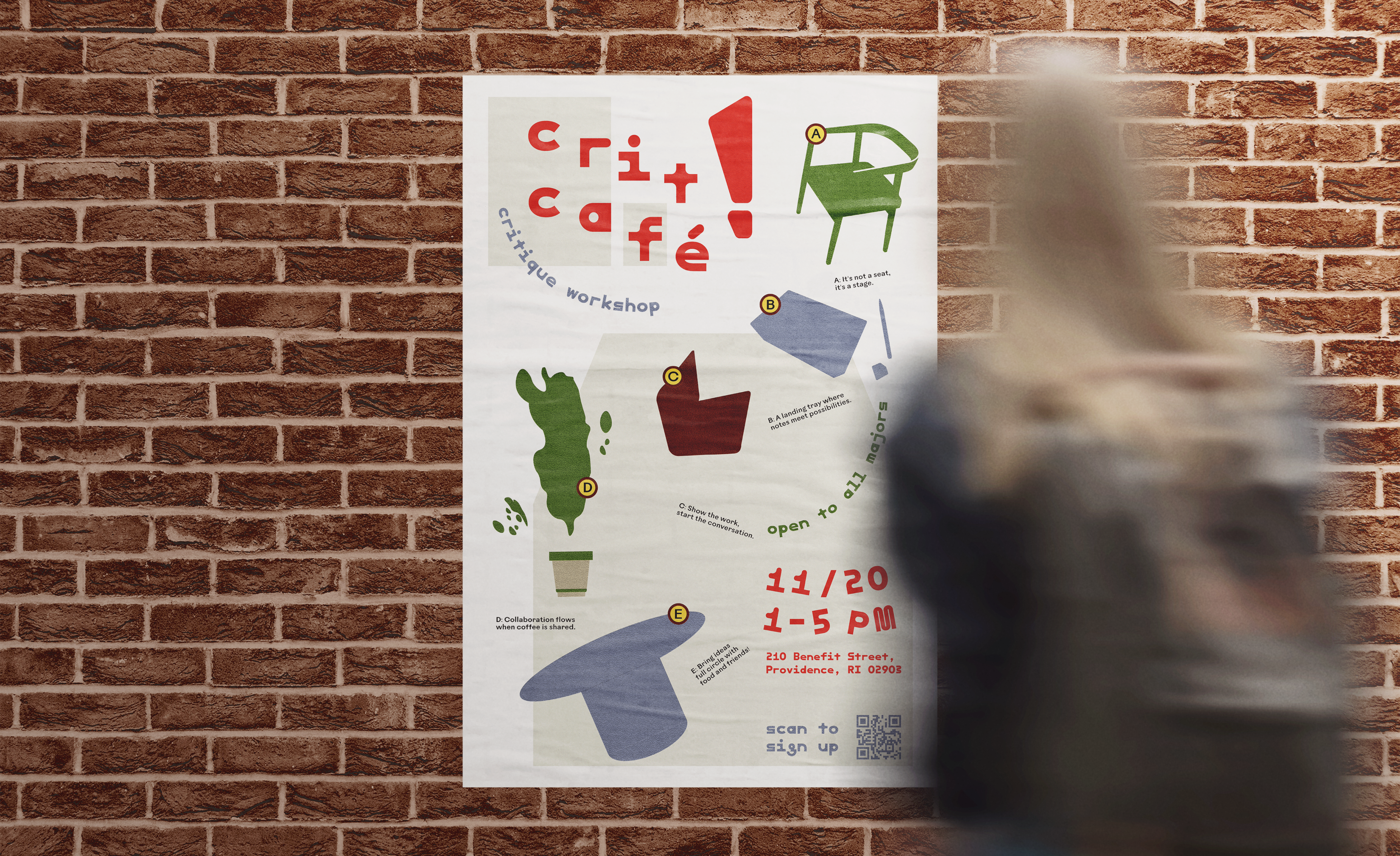
A café-style workshop where art and design students exchange feedback and strengthen presentations before final critique.
Critique Café operates on a sign-up basis only. Scan the QR code on the poster to reserve a one-hour critique slot between 1 and 5 PM. Upon arrival, students are assigned a table number and corresponding seat.
The space pairs a relaxed, social atmosphere with areas for focused critique.
 Floor Plan
 Arrival
 Check-In
 Bathroom

 Critique Zone

 Group Details


Tables rotate through four rounds of critique that follow the same rhythm: the presenter "orders" feedback from the menu, shares their work, and receives requested group feedback. Multiple copies of feedback menus are provided as order sheets on the front and response cards on the back.
Presenter uses the allocated device and/or pin-up walls to display their project, while the group responds to the feedback menu.
Feedback is exchanged. After discussion ends, the process rotates to the next student.


Each table is prepared with double-sided menus, pencils, and supplies.
Conversation flows easily over coffee. An environment already associated with socializing and comfort welcomes critique with warmth rather than intimidation.
Students are provided with the opportunity to connect with other artists and designers on a more personal and professional level.
Professors bring snacks during final critiques as a common way to ease tension. Critique Café makes food and stress relief integral to the experience.
Critique relies heavily on verbal communication. Students may bring strong work, yet still struggle to present it with confidence.

find changing location more engaging
prefer presenting before sharing work
find movement during critique helpful
Interviews and focus group responses revealed environment preferences: